


Pārgājienu guļamvieta
Viens produkts
Hiking Sleep Systems Designed for Demanding Outdoor Conditions
A reliable hiking sleep system is one of the most critical elements of any trekking or backpacking setup. Whether you are planning a multi-day alpine hike, a minimalist thru-hike, or a lightweight overnight bivouac, the quality of your sleeping arrangement directly impacts recovery, thermal comfort, and overall performance on the trail. This collection of hiking sleep solutions has been curated for outdoor enthusiasts who prioritize efficiency, durability, and smart weight management.
Modern hiking sleep systems are no longer limited to basic sleeping bags. Today’s designs combine advanced insulation technologies, ergonomic constructions, and compact packing formats that meet the demands of long-distance hikers and fast-moving adventurers.
Ultralight Sleeping Gear for Trekking and Backpacking
When every gram matters, ultralight hiking sleep gear becomes essential. Innovations in technical fabrics and insulation have transformed how trekkers approach rest in the outdoors. High-loft synthetic fills and responsibly sourced down offer excellent warmth-to-weight ratios, while minimalist constructions reduce bulk without compromising thermal efficiency.
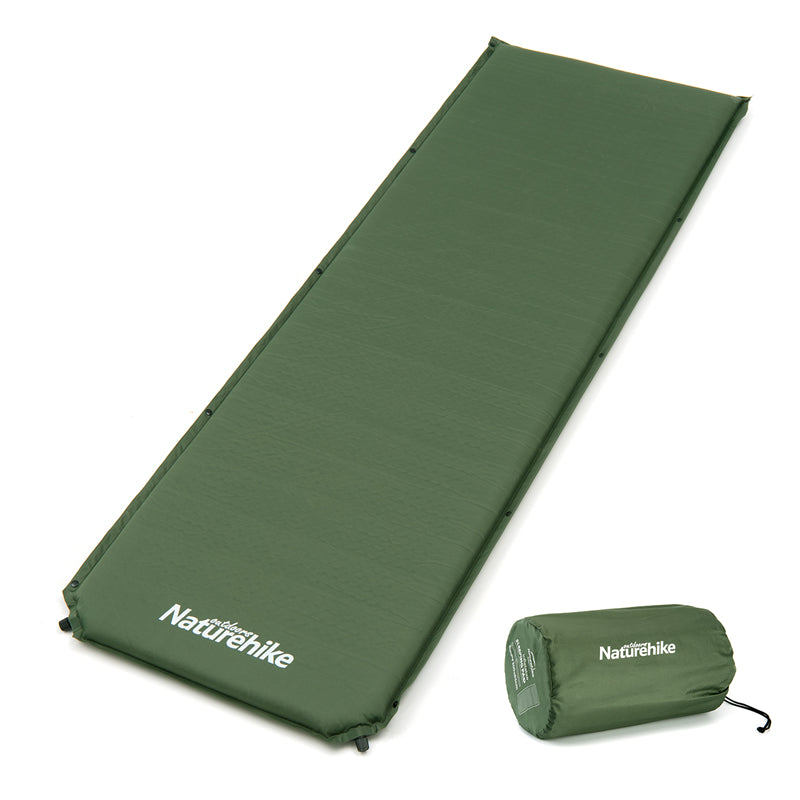
Leading outdoor brands such as and have set new standards by introducing compact sleeping pads and modular sleep systems tailored for long-distance hiking and bikepacking. These solutions pack down to fit easily inside a backpack while delivering insulation values suitable for three-season or even cold-weather trekking.
Thermal Performance and Insulation Ratings Explained
Choosing the right hiking sleeping system depends heavily on understanding temperature ratings and insulation performance. A well-designed system balances ground insulation, body heat retention, and ventilation. Sleeping pads play a crucial role by preventing heat loss to the ground, often measured through R-values that indicate thermal resistance.
For hikers crossing varied climates, modular sleep systems offer adaptability. Pairing an insulated sleeping pad with a season-appropriate sleeping bag or quilt allows you to fine-tune warmth without carrying unnecessary weight.
Comfort, Ergonomics, and Packability on the Trail
After a long day of elevation gain and technical terrain, comfort is not a luxury—it’s a necessity. Modern trekking sleep systems focus on anatomical shaping, stretch panels, and optimized baffle construction to enhance sleeping posture and reduce pressure points. Rectangular, mummy, and semi-rectangular designs each respond to different sleeping styles, from side sleepers to ultralight minimalists.
Equally important is packability. Compression systems, roll-top storage sacks, and inflatable components allow hikers to optimize space inside their backpacks, leaving room for essential gear and food supplies.
Choosing the Right Hiking Sleep System for Your Adventure
Selecting the ideal backpacking sleep solution requires evaluating terrain, climate, and trip duration. High-altitude treks demand greater insulation and wind resistance, while summer hiking benefits from breathable materials and lightweight constructions. Durability is also key—reinforced fabrics and abrasion-resistant coatings ensure longevity on rugged trails.
- Ultralight hikers: prioritize compact quilts and inflatable pads with high warmth-to-weight ratios.
- Four-season trekkers: choose insulated pads and cold-rated sleeping systems designed for extreme environments.
A Modern Approach to Outdoor Sleep Systems
Inspired by decades of mountaineering heritage and ongoing material innovation, today’s hiking sleep systems reflect a balance between tradition and technology. From early expedition-style bedrolls to modern modular designs, the evolution of outdoor sleeping gear mirrors the growing expectations of experienced hikers.
This collection is designed for those who see sleep as a strategic component of performance in the outdoors. By investing in a well-engineered hiking sleep system, you ensure better recovery, improved endurance, and a more enjoyable experience—night after night, trail after trail.